History of Art Therapy Peer Reviewed Articles 2011
Introduction
Mental disorders establish a huge social and economic brunt for wellness care systems worldwide (Zschucke et al., 2013; Kenbubpha et al., 2018). In China, the lifetime prevalence of mental disorders was 24.20%, and i-month prevalence of mental disorders was 14.27% (Xu et al., 2017). The situation is more than severely in other countries, especially for developing ones. Given the large numbers of people in need and the humanitarian imperative to reduce suffering, there is an urgent need to implement scalable mental wellness interventions to accost this burden. While pharmacological treatment is the offset choice for mental disorders to alleviate the major symptoms, many antipsychotics contribute to poor quality of life and debilitating adverse effects. Therefore, clinicians have turned toward to complementary treatments, such every bit fine art therapy in addressing the health needs of patients more than half a century ago.
Fine art therapy, is divers by the British Clan of Fine art Therapists as: "a grade of psychotherapy that uses fine art media as its principal mode of expression and advice. Clients referred to art therapists are not required to have experience or skills in the arts. The art therapist's principal concern is not to make an esthetic or diagnostic assessment of the client'due south image. The overall goal of its practitioners is to enable clients to alter and abound on a personal level through the employ of artistic materials in a condom and convenient environment" (British Association of Art Therapists, 2015), whereas equally: "an integrative mental health and human services profession that enriches the lives of individuals, families, and communities through agile art-making, creative process, applied psychological theory, and human being feel inside a psycho-therapeutic relationship" (American Art Therapy Association, 2018) according to the American Art Association. It has gradually become a well-known form of spiritual support and complementary therapy (Faller and Schmidt, 2004; Nainis et al., 2006). During the therapy, art therapists can employ many different art materials equally media (i.e., visual art, painting, cartoon, music, dance, drama, and writing) (Deshmukh et al., 2018; Chiang et al., 2019). Among them, drawings and paintings take been historically recognized as the most useful part of therapeutic processes within psychiatric and psychological specialties (British Association of Art Therapists, 2015). Moreover, many other art forms gradually fall under the prevue of their own professions (e.g., music therapy, trip the light fantastic/motion therapy, and drama therapy) (Deshmukh et al., 2018). Thus, we excluded these studies and only focused on studies of fine art therapy which mainly includes painting and drawing equally media. Specifically, information technology focuses on capturing psychodynamic processes by means of "inner pictures," which become visible by the creative process (Steinbauer et al., 1999). These pictures reflect the psychopathology of different psychiatric disorders and even their corresponding therapeutic process based on specific rules and criterion (Steinbauer and Taucher, 2001). It has been gradually recognized and used equally an alternative treatment for therapeutic processes within psychiatric and psychological specialties, as well as medical and neurology-based scientific audiences (Burton, 2009).
The development of art therapy comes partly from the artistic expression of the belief in unspoken things, and partly from the clinical work of art therapists in the medical setting with diverse groups of patients (Malchiodi, 2013). It is defined as the application of artistic expressions and images to individuals who are physically ill, undergoing invasive medical procedures, such equally surgery or chemotherapy for clinical usage (Bar-Sela et al., 2007; Forzoni et al., 2010; Liebmann and Weston, 2015). The American Art Therapy Association describes its chief functions as improving cognitive and sensorimotor functions, fostering self-esteem and self-awareness, cultivating emotional resilience, promoting insight, enhancing social skills, reducing and resolving conflicts and distress, and promoting societal and ecological changes (American Art Therapy Association, 2018).
Nonetheless, despite the to a higher place advantages, published systematically review on this topic is defective. Therefore, this review aims to explore its clinical applications and hereafter perspectives to summary its global pictures, so as to provide more than clinical treatment options and enquiry directions for therapists and researchers.
Publications of Art Therapy
The literatures nearly "fine art therapy" published from January 2006 to December 2020 were searched in the PubMed database. The post-obit topics were used: Title/Abstract = "art therapy," Indexes Timespan = 2006–2020.
A full of 652 records were plant. Then, we manually screened out the literatures that independent the word "art" but was not relevant with the subject of this report, such every bit country of the art therapy, antiretroviral therapy (Art), and assisted reproductive engineering science (Art). Finally, 479 records almost art therapy were identified. Since we aimed to focus on art therapy included painting and drawing as major media, nosotros screened out literatures deeper, and identified 413 (84%) literatures involved in painting and drawing (Figure 1).
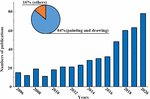
Effigy 1. Number of publications about fine art therapy.
As we tin can see, the number of literature about art therapy is increasing slowly in the last 15 years, reaching a peak in 2020. This indicates that more effort was made on this topic in recent years (Figure 1).
Overview of Art Therapy
As defined by the British Clan of Art Therapists, fine art therapy is a form of psychotherapy that uses art media equally its master mode of advice. Based on above literature, several highlights need to be summarized. (ane) The main media of art therapy include painting, cartoon, music, drama, dance, drama, and writing (Chiang et al., 2019). (two) Main contents of painting and cartoon include blind drawing, spiral drawing, cartoon moods and self-portraits (Legrand et al., 2017; Abbing et al., 2018; Papangelo et al., 2020). (3) Art therapy is mainly used for cancer, depression and anxiety, autism, dementia and cognitive impairment, as these patients are reluctant to express themselves in words (Attard and Larkin, 2016; Deshmukh et al., 2018; Chiang et al., 2019). It plays an important role in facilitating engagement when directly verbal interaction becomes hard, and provides a safe and indirect way to connect oneself with others (Papangelo et al., 2020). Moreover, nosotros found that art therapy has been gradually and successfully used for patients with mental disorders with positive outcomes, mainly reducing suffering from mental symptoms. These findings advise that art therapy tin can not merely be served as an useful therapeutic method to assistance patients to open up up and share their feelings, views, and experiences, but too as an auxiliary treatment for diagnosing diseases to help medical specialists obtain complementary information dissimilar from conventional tests.
Art Therapy for Mental Disorders
Based on the 413 searched literatures, nosotros farther express them to mental disorders using the following key words, respectively: Low OR anxiety OR Cognitive impairment OR dementia OR Alzheimer'due south affliction OR Autism OR Schizophrenia OR mental disorder. Every bit a result, a total of 23 studies (5%) (Table 1) were included and classified afterwards reading the abstract and the full text carefully. These studies include 9 articles on low and feet, 4 articles on cognitive impairment and dementia, 3 articles on Alzheimer'southward affliction, three articles on autism, and 4 articles on schizophrenia. In improver to the English literature, in fact, some Chinese literatures also described the application of art therapy in mental diseases, which were not listed only referred to in the following specific literatures.
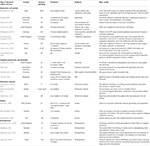
Table 1. Studies of art therapy in mental diseases.
Depression Disorders and Feet
Depression and anxiety disorders are highly prevalent, affecting individuals, their families and the individual's role in society (Birgitta et al., 2018). Depression is a disabling and costly condition associated with a significant reduction in quality of life, medical comorbidities and bloodshed (Demyttenaere et al., 2004; Whiteford et al., 2013; Cuijpers et al., 2014). Anxiety is associated with lower quality of life and negative effects on psychosocial operation (Cramer et al., 2005). Medication is the most commonly used effective mode to relieve symptoms of depression and anxiety. However, nonadherence are crucial shortcomings in using antidepressant to treat depression and feet (van Geffen et al., 2007; Nielsen et al., 2019).
In contempo years, many studies have shown that art therapy plays a significant function in alleviating depression symptoms and anxiety. Gussak (2007) performed an observational survey about populations in prison of northern Florida and identified that art therapy significantly reduces depressive symptoms. Similarly, a randomized, controlled, and single-blind report nearly art therapy for depression with the elderly showed that painting every bit an adjuvant treatment for depression can reduce depressive and anxiety symptoms (Ciasca et al., 2018). In addition, art therapy is likewise widely used among students, and several studies (Runde, 2008; Zhenhai and Yunhua, 2011) take shown that art therapy also significantly reduces depressive symptoms in students. For example, Wang et al. (2011) conducted group painting therapy on 30 patients with depression for 3 months, and found that painting therapy could promote their social function recovery, ameliorate their social adaptability and quality of life. Another randomized clinical trial also showed that it could decrease mean anxiety scores in the three–12 year painting group (Forouzandeh et al., 2020).
Studies have shown that distress, including anxiety and low, is related to poorer health-related quality of life and satisfaction to medical services (Hamer et al., 2009). Painting can be employed to express patients' anxiety and fear, vent negative emotions by applying projection, thereby significantly improve the mood and reduce symptoms of low and anxiety of cancer patients. A number of studies (Bar-Sela et al., 2007; Thyme et al., 2009; Lin et al., 2012; Abdulah and Abdulla, 2018) showed that art therapy for cancer patients could enhance the vitality of patients and participation in social activities, significantly reduce depression, feet, and reduce stressful feelings. Importantly, even in the follow-up menstruation, fine art therapy still has a lasting effect on cancer patients (Thyme et al., 2009). Interestingly, fine art therapy based on famous painting appreciation could besides significantly reduce anxiety and depression associated with cancer (Lee et al., 2017). Among cancer patients treated in outpatient health care, fine art therapy besides plays an important role in alleviating their physical symptoms and mental wellness (Götze et al., 2009). Therefore, art therapy as an auxiliary treatment of cancer is of great value in improving quality of life.
Overall, art painting therapy permits patients to express themselves in a manner acceptable to the inside and exterior culture, thereby diminishing depressed and feet symptoms.
Cognitive Impairment, and Dementia
Dementia, a progressive clinical syndrome, is characterized by widespread cerebral impairment in memory, thinking, beliefs, emotion and performance, leading to worse daily living (Deshmukh et al., 2018). According to the Alzheimer'southward Disease International 2015, there is 46.8 million people suffered from dementia, and numbers well-nigh doubling every xx years, rising to 131.v 1000000 by 2050. Although art therapy has been used as an alternative handling for the dementia for long fourth dimension, the positive effects of painting therapy on cognitive office remain largely unknown. One intervention assigned older adults patients with dementia to a group-based fine art therapy (including painting) observed significant improvements in the clock drawing test (Motorway, 2013), whereas ii other randomized controlled trials (Hattori et al., 2011; Rusted et al., 2016) on patients with dementia have failed to obtain significant cognitive improvement in the painting group. Moreover, a cochrane systematic review (Deshmukh et al., 2018) included two clinical studies of art therapy for dementia revealed that at that place is no sufficient evidence most the efficacy of art therapy for dementia. This may be considering patients with severely cerebral impairment, who was unable to accurately call up or appraise their ain behavior or mental land, might lose the ability to enjoy the benefits of art therapy.
In summary, nosotros should intervene earlier in patients with mild cognitive impairment, an intermediate stage betwixt normal aging and dementia, in order to forestall further transformation into dementia. To appointment, mild cognitive damage is drawing much attention to the importance of painting intervening at this stage in order to alter the grade of subsequent cognitive decline as before long as possible (Petersen et al., 2014). Recently, a randomized controlled trial (Yu et al., 2021) showed significant relationship between improvement immediate memory/working retentiveness span and increased cortical thickness in correct middle frontal gyrus in the painting art group. With the long-term cognitive stimulation and engagement from multiple sessions of painting therapy, it is likely that painting therapy could pb to enhanced cognitive functioning for these patients.
Alzheimer's Disease
Alzheimer's affliction (Advert) is a sub-type of dementia, which is usually associated with chronic pain. Previous studies suggested that art therapy could be used as a complementary treatment to relief pain for these patients since medication might induce severely side effects. In a multicenter randomized controlled trial, 28 mild AD patients showed significant pain reduction, reduced feet, improved quality of life, improved digit span, and inhibitory processes, likewise every bit reduced depression symptoms later on 12-week painting (Pongan et al., 2017; Alvarenga et al., 2018). Farther study also suggested that individual therapy rather than group therapy could be more optimal since neuroticism can subtract efficacy of painting intervention on hurting in patients with mild Ad. In addition to release chronic pain, art therapy has been reported to show positive effects on cognitive and psychological symptoms in patients with balmy AD. For example, a controlled study revealed meaning improvement in the aloofness calibration and quality of life later 12 weeks of painting handling mainly including color abstract patterns with pastel crayons or water-based pigment (Hattori et al., 2011). Another study also revealed that Advertizement patients showed improvement in facial expression, discourse content and mood after 3-weeks painting intervention (Narme et al., 2012).
Schizophrenia
Schizophrenia is a circuitous functional psychotic mental illness that affects nearly 1% of the population at some signal in their life (Kolliakou et al., 2011). Non only do sufferers feel "positive" symptoms such as hallucinations, delusions, but also experience negative symptoms such as varying degrees of anhedonia and asociality, dumb working memory and attention, poverty of voice communication, and lack of motivation (Andreasen and Olsen, 1982). Many patients with schizophrenia remain symptomatic despite pharmacotherapy, and fifty-fifty attempts to suicide with a rate of 10 to 50% (De Sousa et al., 2020). For these patients, fine art therapy is highly recommended to procedure emotional, cerebral and psychotic experiences to release symptoms. Indeed, many forms of art therapy have been successfully used in schizophrenia, whether and how painting may interfere with psychopathology to release symptoms remains largely unknown.
A contempo review including 20 studies overall was performed to summary findings, however, concluded that it is not clear whether art therapy leads to clinical comeback in schizophrenia with depression (Ruiz et al., 2017). Anyhow, many randomized clinical trials reported positive outcomes. For case, Richardson et al. (2007) conducted painting therapy for six months in patients with chronic schizophrenia and found that art therapy had a positive upshot on negative symptoms. Teglbjaerg (2011) examined experience of each patient using interviews and written evaluations before and after painting therapy and at a ane-year follow-up and constitute that group painting therapy in patients with schizophrenia could non but reduce psychotic symptoms, merely also heave cocky-esteem and amend social function.
What's more, the characteristics of the painting can too be used to judge the wellness condition in patients with schizophrenia. For example, Hongxia et al. (2013) explored the correlation betwixt psychological health condition and characteristics of House-Tree-Person tests for patients with schizophrenia, and showed that the detail characteristic of the test results can be used to judge the patient's anxiety, depression, and obsessive-compulsive symptoms.
Most chiefly, several other studies showed that drug plus painting therapy significantly enhanced patient compliance and self-knowledge than drug therapy alone in patients with schizophrenia (Hongyan and JinJie, 2010; Min, 2010).
Autism
Autism spectrum disorder (ASD) is a heterogeneous neurodevelopmental syndrome with no unified pathological or neurobiological etiology, which is characterized by difficulties in social interaction, communication bug, and a tendency to engage in repetitive behaviors (Geschwind and Levitt, 2007).
Art therapy is a form of expression that opens the door to communication without exact interaction. It provides therapists with the opportunity to interact one-on-one with individuals with autism, and brand wide connections in a more comfortable and effective way (Babaei et al., 2020). Emery (2004) did a case study near a 6-year-sometime boy diagnosed with autism and constitute that art therapy is of cracking value to the evolution, growth and communication skills of the boy. Recently, one study (Jalambadani, 2020) using twoscore children with ASD participating in painting therapy showed that painting therapy had a significant improvement in the social interactions, adaptive behaviors and emotions. Therefore, encouraging children with ASD to express their experience by using nonverbal expressions is crucial to their development. Evans and Dubowski (2001) believed that creating images on paper could assistance children limited their internal images, thereby enhance their imagination and abstract thinking. Painting tin also help autistic children express and vent negative emotions and thereby bring positive emotional experience and promote their self-consciousness (Martin, 2009). Co-ordinate to two studies (Wen and Zhaoming, 2009; Jianhua and Xiaolu, 2013) in Red china, Art therapy could also improve the language and communication skills, cerebral and behavioral performance of children with ASD.
Moreover, fine art therapy could exist used to investigate the relationship between cerebral processes and imagination in children with ASD. One study (Wen and Zhaoming, 2009; Jianhua and Xiaolu, 2013) suggested that children with ASD use a unique cognitive strategy in imaginative drawing. Another written report (Low et al., 2009) examined the cerebral underpinnings of spontaneous imagination in children with ASD and showed that ASD group lacks imagination, generative power, planning power and proficient consistency in their drawings. In addition, several studies (Leevers and Harris, 1998; Craig and Baron-Cohen, 1999; Craig et al., 2001) have been performed to investigate imagination and inventiveness of autism via cartoon tasks, and showed impairments of autism in imagination and inventiveness via cartoon tasks.
In a word, art therapy plays a meaning function in children with ASD, not only as a method of treatment, simply too in understanding and investigating patients' problems.
Other Applications
In addition to the in a higher place mentioned diseases, fine art therapy has also been adopted in other applications. Dysarthia is a common sequela of cerebral palsy (CP), which straight affects children's language intelligibility and psycho-social aligning. Speech therapy does not always help CP children to speak more intelligibly. Interestingly, the fine art therapy can significantly ameliorate the language intelligibility and their social skills for children with CP (Wilk et al., 2010).
In brief, these studies suggest that fine art therapy is meaningful and accepted by both patients and therapists. Near oft, fine art therapy could strengthen patient'south emotional expression, self-esteem, and self-awareness. However, our findings are based on relatively small samples and few adept-quality qualitative studies, and require cautious estimation.
The Application Prospects of Art Therapy
With the development of modern medical technology, life expectancy is besides increasing. At the same time, it likewise brings some side effects and psychological issues during the handling process, especially for patients with mental illness. Therefore, there is an increasing need for finding appropriate complementary therapies to better life quality of patients and psychological health. Fine art therapy is primarily offered as individual art therapy, in this review, we establish that fine art therapy was most ordinarily used for depression and anxiety.
Based on the in a higher place findings, art therapy, as a not-verbal psychotherapy method, not but serves as an auxiliary tool for diagnosing diseases, which helps medical specialists obtain much data that is difficult to proceeds from conventional tests, judge the severity and progression of diseases, and sympathise patients' psychological country from painting characteristics, merely besides is an useful therapeutic method, which helps patients open up upwards and share their feelings, views, and experiences. Additionally, the implementation of fine art therapy is not express past age, language, diseases or environment, and is easy to be accepted by patients.
Fine art therapy in hospitals and clinical settings could be very helpful to aid treatment and therapy, and to enhance communications between patients and on-site medical staffs in a non-verbal way. Moreover, fine art therapy could be more than effective when combined with other forms of therapy such as music, dance and other sensory stimuli.
The medical mechanism underlying art therapy using painting as the medium for intervention remains largely unclear in the literature (Salmon, 1993; Broadbent et al., 2004; Guillemin, 2004), and the testify for effectiveness is insufficient (Mirabella, 2015). Although a number of studies take shown that art therapy could improve the quality of life and mental wellness of patients, standard and rigorous clinical trials with big samples are yet lacking. Moreover, the long-term effect is even so to be assessed due to the lack of follow-up cess of art therapy.
In some cases, art therapy using painting equally the medium may be hard to be implemented in hospitals, due to medical and wellness regulations (may exist partly due to potential of messes, lack of sink and cleaning space for proper disposal of paints, storage of paints, and toxins of allergens in the paint), insufficient space for the artwork to dry without getting in the manner or getting damaged, and negative medical settings and family environments. Nevertheless, these difficulties can exist overcome due to groovy benefits of the art therapy. Nosotros thus humbly believe that art therapy has great potential for mental disorders.
In the future, art therapy may be more thoroughly investigated in the following directions. Offset, more than loftier-quality clinical trials should exist carried out to gain more reliable and rigorous evidence. Second, the evaluation methods for the effectiveness of art therapy need to be as diverse as possible. It is necessary for the investigation to include non simply subjective calibration evaluations, but also objective means such every bit encephalon imaging and hematological examinations to be more than disarming. Third, it volition be helpful to specify the details of the art therapy and patients for objective comparisons, including types of diseases, painting methods, required qualifications of the therapist to perform the fine art therapy, and the theoretical ground and mechanism of the therapy. This practice should be continuously promoted in both hospitals and communities. Fourth, guidelines well-nigh fine art therapy should be gradually formed on the basis of accumulated testify. Finally, mechanism of art therapy should exist farther investigated in a variety of ways, such every bit at the neurological, cellular, and molecular levels.
Writer Contributions
JH designed the whole study, analyzed the information, and wrote the manuscript. JZ searched for selected the studies. LH participated in the interpretation of information. HY and JX offered good suggestions. All authors read and approved the terminal manuscript.
Funding
This report was financially supported by the National Key R&D Program of China (2019YFC1712200), International standards research on clinical research and service of Acupuncture-Moxibustion (2019YFC1712205), the National Natural Science Foundation of China (62006220), and Shenzhen Science and Technology Research Program (No. JCYJ20200109114816594).
Conflict of Involvement
The authors declare that the research was conducted in the absenteeism of any commercial or fiscal relationships that could exist construed equally a potential conflict of interest.
Publisher'south Note
All claims expressed in this article are solely those of the authors and exercise not necessarily represent those of their affiliated organizations, or those of the publisher, the editors and the reviewers. Whatever production that may exist evaluated in this article, or claim that may exist made past its manufacturer, is not guaranteed or endorsed past the publisher.
References
Abbing, A., Ponstein, A., van Hooren, Due south., de Sonneville, Fifty., Swaab, H., and Baars, E. (2018). The effectiveness of art therapy for anxiety in adults: a systematic review of randomised and not-randomised controlled trials. PLoS 1 13:e208716. doi: ten.1371/periodical.pone.0208716
PubMed Abstract | CrossRef Full Text | Google Scholar
Abdulah, D. Thousand., and Abdulla, B. (2018). Effectiveness of group fine art therapy on quality of life in paediatric patients with cancer: a randomized controlled trial. Complement. Ther. Med. 41, 180–185. doi: 10.1016/j.ctim.2018.09.020
PubMed Abstract | CrossRef Full Text | Google Scholar
Alvarenga, West. A., Leite, A., Oliveira, Chiliad. South., Nascimento, Fifty. C., Silva-Rodrigues, F. M., Nunes, Yard. D. R., et al. (2018). The result of music on the spirituality of patients: a systematic review. J. Holist. Nurs. 36, 192–204. doi: 10.1177/0898010117710855
PubMed Abstract | CrossRef Full Text | Google Scholar
Armstrong, V. One thousand., and Howatson, R. (2015). Parent-babe art psychotherapy: a creative dyadic approach to early intervention. Babe Ment. Wellness J. 36, 213–222. doi: 10.1002/imhj.21504
PubMed Abstract | CrossRef Full Text | Google Scholar
Attard, A., and Larkin, K. (2016). Art therapy for people with psychosis: a narrative review of the literature. Lancet Psychiatry iii, 1067–1078. doi: 10.1016/s2215-0366(sixteen)30146-8
CrossRef Full Text | Google Scholar
Babaei, Due south., Fatahi, B. Due south., Fakhri, M., Shahsavari, Southward., Parviz, A., Karbasfrushan, A., et al. (2020). Painting therapy versus anxiolytic premedication to reduce preoperative anxiety levels in children undergoing tonsillectomy: a randomized controlled trial. Indian J. Pediatr. 88, 190–191. doi: 10.1007/s12098-020-03430-9
PubMed Abstract | CrossRef Full Text | Google Scholar
Bar-Sela, Grand., Atid, L., Danos, Due south., Gabay, N., and Epelbaum, R. (2007). Art therapy improved depression and influenced fatigue levels in cancer patients on chemotherapy. Psychooncology 16, 980–984. doi: 10.1002/pon.1175
PubMed Abstract | CrossRef Total Text | Google Scholar
Birgitta, K. A., Wagman, P., Hedin, 1000., and Håkansson, C. (2018). Treatment of depression and/or anxiety–outcomes of a randomised controlled trial of the tree theme method® versus regular occupational therapy. BMC Psychol. six:25. doi: ten.1186/s40359-018-0237-0
PubMed Abstract | CrossRef Total Text | Google Scholar
Broadbent, Due east., Petrie, K. J., Ellis, C. J., Ying, J., and Gamble, G. (2004). A moving-picture show of health–myocardial infarction patients' drawings of their hearts and subsequent disability: a longitudinal report. J. Psychosom. Res. 57, 583–587.
Google Scholar
Burton, A. (2009). Bringing arts-based therapies in from the scientific cold. Lancet Neurol. 8, 784–785. doi: 10.1016/s1474-4422(09)70216-9
CrossRef Full Text | Google Scholar
Ciasca, E. C., Ferreira, R. C., Santana, C.50. A., Forlenza, O. V., Dos Santos, M. D., Brum, P. Southward., et al. (2018). Art therapy as an adjuvant treatment for depression in elderly women: a randomized controlled trial. Braz. J. Psychiatry 40, 256–263. doi: ten.1590/1516-4446-2017-2250
PubMed Abstract | CrossRef Total Text | Google Scholar
Craig, J., and Businesswoman-Cohen, Southward. (1999). Inventiveness and imagination in autism and Asperger syndrome. J. Autism Dev. Disord. 29, 319–326.
Google Scholar
Craig, J., Baron-Cohen, South., and Scott, F. (2001). Drawing ability in autism: a window into the imagination. Isr. J. Psychiatry Relat. Sci. 38, 242–253.
Google Scholar
Cramer, V., Torgersen, South., and Kringlen, Due east. (2005). Quality of life and anxiety disorders: a population written report. J. Nerv. Ment. Dis. 193, 196–202. doi: ten.1097/01.nmd.0000154836.22687.13
CrossRef Full Text | Google Scholar
Crone, D. K., O'Connell, Eastward. E., Tyson, P. J., Clark-Stone, F., Opher, S., and James, D. Five. (2013). 'Fine art Lift' intervention to improve mental well-beingness: an observational report from U.K. full general practise. Int. J. Ment. Health Nurs. 22, 279–286. doi: 10.1111/j.1447-0349.2012.00862.ten
PubMed Abstract | CrossRef Full Text | Google Scholar
Cuijpers, P., Vogelzangs, Due north., Twisk, J., Kleiboer, A., Li, J., and Penninx, B. Westward. (2014). Comprehensive meta-assay of excess mortality in depression in the general community versus patients with specific illnesses. Am. J. Psychiatry 171, 453–462. doi: 10.1176/appi.ajp.2013.13030325
PubMed Abstract | CrossRef Total Text | Google Scholar
De Sousa, A., Shah, B., and Shrivastava, A. (2020). Suicide and Schizophrenia: an interplay of factors. Curr. Psychiatry Rep. 22:65.
Google Scholar
Demyttenaere, K., Bruffaerts, R., Posada-Villa, J., Gasquet, I., Kovess, 5., Lepine, J. P., et al. (2004). Prevalence, severity, and unmet demand for treatment of mental disorders in the Earth Health System Globe Mental Wellness Surveys. JAMA 291, 2581–2590. doi: 10.1001/jama.291.21.2581
PubMed Abstract | CrossRef Total Text | Google Scholar
Deshmukh, S. R., Holmes, J., and Cardno, A. (2018). Art therapy for people with dementia. Cochrane Database Syst. Rev. 9:D11073.
Google Scholar
Emery, One thousand. J. (2004). Art therapy equally an intervention for Autism. Art Ther. Assoc. 21, 143–147. doi: 10.1080/07421656.2004.10129500
CrossRef Total Text | Google Scholar
Evans, K., and Dubowski, J. (2001). Art Therapy with Children on the Autistic Spectrum: Beyond Words. London: Jessica Kingsley Publishers, 113.
Google Scholar
Forouzandeh, N., Drees, F., Forouzandeh, G., and Darakhshandeh, South. (2020). The effect of interactive games compared to painting on preoperative anxiety in Iranian children: a randomized clinical trial. Complement. Ther. Clin. Pract. 40:101211. doi: ten.1016/j.ctcp.2020.101211
PubMed Abstract | CrossRef Full Text | Google Scholar
Forzoni, Due south., Perez, M., Martignetti, A., and Crispino, South. (2010). Art therapy with cancer patients during chemotherapy sessions: an analysis of the patients' perception of helpfulness. Palliat. Back up. Care 8, 41–48. doi: 10.1017/s1478951509990691
PubMed Abstract | CrossRef Total Text | Google Scholar
Geue, K., Richter, R., Buttstädt, Thousand., Brähler, E., and Singer, S. (2013). An art therapy intervention for cancer patients in the ambulant aftercare–results from a non-randomised controlled report. Eur. J. Cancer Intendance (Engl.) 22, 345–352. doi: 10.1111/ecc.12037
PubMed Abstract | CrossRef Full Text | Google Scholar
Götze, H., Geue, G., Buttstädt, Chiliad., Singer, S., and Schwarz, R. (2009). [Art therapy for cancer patients in outpatient care. Psychological distress and coping of the participants]. Forsch. Komplementmed. xvi, 28–33.
Google Scholar
Hattori, H., Hattori, C., Hokao, C., Mizushima, K., and Mase, T. (2011). Controlled written report on the cognitive and psychological upshot of coloring and drawing in balmy Alzheimer'southward disease patients. Geriatr. Gerontol. Int. xi, 431–437. doi: x.1111/j.1447-0594.2011.00698.ten
PubMed Abstract | CrossRef Total Text | Google Scholar
Heymann, P., Gienger, R., Hett, A., Müller, Due south., Laske, C., Robens, South., et al. (2018). Early on detection of Alzheimer's disease based on the patient'south creative drawing process: get-go results with a novel neuropsychological testing method. J. Alzheimers Dis. 63, 675–687. doi: 10.3233/jad-170946
PubMed Abstruse | CrossRef Full Text | Google Scholar
Hongxia, M., Shuying, C., Chuqiao, F., Haiying, Z., Xuejiao, Westward., et al. (2013). Relationsle-championship>Relationship between psychological state and house-tree-person drawing characteristics of rehabilitation patients with schizophrenia. Mentum. Gen. Pract. 16, 2293–2295.
Google Scholar
Hongyan, Due west., and JinJie, L. (2010). Rehabilitation effect of painting therapy on chronic schizophrenia. Mentum. J. Wellness Psychol. 18, 1419–1420.
Google Scholar
Jalambadani, Z. (2020). Art therapy based on painting therapy on the improvement of autistic children'due south social interactions in Iran. Indian J. Psychiatry 62, 218–219. doi: x.4103/psychiatry.indianjpsychiatry_215_18
CrossRef Full Text | Google Scholar
Jianhua, C., and Xiaolu, Ten. (2013). The experimental enquiry on children with autism past intervening with painting therapy. J. Tangshan Teach. Coll. 35, 127–130.
Google Scholar
Kenbubpha, G., Higgins, I., Chan, Southward. West., and Wilson, A. (2018). Promoting active ageing in older people with mental disorders living in the community: an integrative review. Int. J. Nurs. Pract. 24:e12624. doi: 10.1111/ijn.12624
PubMed Abstruse | CrossRef Total Text | Google Scholar
Kolliakou, A., Joseph, C., Ismail, K., Atakan, Z., and Murray, R. M. (2011). Why practice patients with psychosis use cannabis and are they set up to alter their apply? Int. J. Dev. Neurosci. 29, 335–346. doi: 10.1016/j.ijdevneu.2010.11.006
PubMed Abstract | CrossRef Total Text | Google Scholar
Lee, J., Choi, M. Y., Kim, Y. B., Sun, J., Park, E. J., Kim, J. H., et al. (2017). Fine art therapy based on appreciation of famous paintings and its effect on distress among cancer patients. Qual. Life Res. 26, 707–715. doi: x.1007/s11136-016-1473-5
PubMed Abstract | CrossRef Full Text | Google Scholar
Leevers, H. J., and Harris, P. L. (1998). Drawing impossible entities: a measure out of the imagination in children with autism, children with learning disabilities, and normal 4-year-olds. J. Child Psychol. Psychiatry 39, 399–410. doi: 10.1111/1469-7610.00335
CrossRef Full Text | Google Scholar
Lefèvre, C., Ledoux, M., and Filbet, M. (2016). Fine art therapy amidst palliative cancer patients: aesthetic dimensions and impacts on symptoms. Palliat. Back up. Care fourteen, 376–380. doi: 10.1017/s1478951515001017
PubMed Abstract | CrossRef Total Text | Google Scholar
Legrand, A. P., Rivals, I., Richard, A., Apartis, E., Roze, Due east., Vidailhet, M., et al. (2017). New insight in screw cartoon analysis methods–application to activeness tremor quantification. Clin. Neurophysiol. 128, 1823–1834. doi: 10.1016/j.clinph.2017.07.002
PubMed Abstract | CrossRef Full Text | Google Scholar
Liebmann, M., and Weston, S. (2015). Art Therapy with Physical Conditions. Philadelphia, PA: Jessica Kingsley Publishers.
Google Scholar
Lin, M. H., Moh, S. 50., Kuo, Y. C., Wu, P. Y., Lin, C. L., Tsai, M. H., et al. (2012). Art therapy for terminal cancer patients in a hospice palliative care unit in Taiwan. Palliat. Back up. Care 10, 51–57. doi: 10.1017/s1478951511000587
PubMed Abstruse | CrossRef Total Text | Google Scholar
Low, J., Goddard, E., and Melser, J. (2009). Generativity and imagination in adisorder: show from individual differences in children'south impossible entity drawings. Br. J. Dev. Psychol. 27, 425–444. doi: 10.1348/026151008x334728
PubMed Abstract | CrossRef Full Text | Google Scholar
Malchiodi, C. (2013). Art Therapy and Health Care. New York, NY: Guilford Press.
Google Scholar
Mannheim, E. One thousand., Helmes, A., and Weis, J. (2013). [Trip the light fantastic/move therapy in oncological rehabilitation]. Forsch. Komplementmed. 20, 33–41.
Google Scholar
Martin, Northward. (2009). Art every bit an Early on Intervention Tool for Children with Autism. London: Jessica Kingsley.
Google Scholar
Mimica, North., and Kaliniæ, D. (2011). Art therapy may be benefitial for reducing stress–related behaviours in people with dementia–example study. Psychiatr. Danub. 23:125.
Google Scholar
Min, J. (2010). Awarding of painting therapy in the rehabilitation period of schizophrenia. Med. J. Mentum. Peoples Health 22, 2012–2014.
Google Scholar
Mirabella, M. (2015). Is art therapy a reliable tool for rehabilitating people suffering from brain/mental diseases? J. Altern. Complement. Med. 21, 196–199. doi: x.1089/acm.2014.0374
PubMed Abstract | CrossRef Full Text | Google Scholar
Montag, C., Haase, L., Seidel, D., Bayerl, Thousand., Gallinat, J., Herrmann, U., et al. (2014). A airplane pilot RCT of psychodynamic group art therapy for patients in acute psychotic episodes: feasibility, impact on symptoms and mentalising capacity. PLoS Ane 9:e112348. doi: 10.1371/journal.pone.0112348
PubMed Abstract | CrossRef Total Text | Google Scholar
Nainis, N., Paice, J. A., Ratner, J., Wirth, J. H., Lai, J., and Shott, S. (2006). Relieving symptoms in cancer: innovative apply of fine art therapy. J. Pain Symptom Manage. 31, 162–169. doi: 10.1016/j.jpainsymman.2005.07.006
PubMed Abstract | CrossRef Total Text | Google Scholar
Narme, P., Tonini, A., Khatir, F., Schiaratura, L., Clément, S., and Samson, S. (2012). [Non pharmacological handling for Alzheimer's affliction: comparison between musical and non-musical interventions]. Geriatr. Psychol. Neuropsychiatr. Vieil. ten, 215–224. doi: 10.1684/pnv.2012.0343
PubMed Abstract | CrossRef Full Text | Google Scholar
Nielsen, Due south., Hageman, I., Petersen, A., Daniel, Southward. I. F., Lau, M., Winding, C., et al. (2019). Practice emotion regulation, attentional command, and attachment style predict response to cognitive behavioral therapy for anxiety disorders?–An investigation in clinical settings. Psychother. Res. 29, 999–1009. doi: 10.1080/10503307.2018.1425933
PubMed Abstract | CrossRef Full Text | Google Scholar
Papangelo, P., Pinzino, Yard., Pelagatti, S., Fabbri-Destro, Thousand., and Narzisi, A. (2020). Human figure drawings in children with autism spectrum disorders: a possible window on the inner or the outer world. Brain Sci. x:398. doi: 10.3390/brainsci10060398
PubMed Abstract | CrossRef Full Text | Google Scholar
Petersen, R. C., Caracciolo, B., Brayne, C., Gauthier, S., Jelic, V., and Fratiglioni, Fifty. (2014). Balmy cognitive impairment: a concept in development. J. Intern. Med. 275, 214–228.
Google Scholar
Pike, A. A. (2013). The event of art therapy on cognitive performance amid ethnically diverse older adults. J. Am. Fine art Ther. Assoc. 30, 159–168. doi: x.1080/07421656.2014.847049
CrossRef Full Text | Google Scholar
Pongan, E., Tillmann, B., Leveque, Y., Trombert, B., Getenet, J. C., Auguste, N., et al. (2017). Can musical or painting interventions improve chronic hurting, mood, quality of life, and cognition in patients with mild Alzheimer'due south affliction? Evidence from a randomized controlled trial. J. Alzheimers Dis. 60, 663–677. doi: 10.3233/jad-170410
PubMed Abstract | CrossRef Full Text | Google Scholar
Richardson, P., Jones, M., Evans, C., Stevens, P., and Rowe, A. (2007). Exploratory RCT of art therapy as an adjunctive treatment in schizophrenia. J. Ment. Wellness xvi, 483–491. doi: x.1080/09638230701483111
CrossRef Full Text | Google Scholar
Richardson, P., Jones, Thousand., Evans, C., Stevens, P., and Rowe, A. (2009). Exploratory RCT of fine art therapy every bit an adjunctive treatment in schizophrenia. J Ment. Wellness 16, 483–491.
Google Scholar
Ruiz, M. I., Aceituno, D., and Rada, M. (2017). Art therapy for schizophrenia? Medwave 17:e6845.
Google Scholar
Runde, P. (2008). Clinical application of painting therapy in middle schoolhouse students with mood disorders. Mentum. J. Wellness Psychol. 27, 749–750.
Google Scholar
Rusted, J., Sheppard, Fifty., and Waller, D. A. (2016). Multi-centre randomized control group trial on the utilise of art therapy for older people with dementia. Group Anal. 39, 517–536. doi: 10.1177/0533316406071447
CrossRef Full Text | Google Scholar
Steinbauer, Thou., and Taucher, J. (2001). [Paintings and their progress by psychiatric inpatients within the concept of integrative fine art therapy]. Wien. Med. Wochenschr. 151, 375–379.
Google Scholar
Steinbauer, Thou., Taucher, J., and Zapotoczky, H. Thousand. (1999). [Integrative painting therapy. A therapeutic concept for psychiatric inpatients at the University clinic in Graz]. Wien. Klin. Wochenschr. 111, 525–532.
Google Scholar
Teglbjaerg, H. Due south. (2011). Art therapy may reduce psychopathology in schizophrenia by strengthening the patients' sense of self: a qualitative extended case report. Psychopathology 44, 314–318. doi: 10.1159/000325025
PubMed Abstract | CrossRef Full Text | Google Scholar
X, Due east. K., and Muller, U. (2018). Drawing links betwixt the autism cerebral contour and imagination: executive function and processing bias in imaginative drawings past children with and without autism. Autism 22, 149–160. doi: 10.1177/1362361316668293
PubMed Abstruse | CrossRef Total Text | Google Scholar
Thyme, 1000. E., Sundin, E. C., Wiberg, B., Oster, I., Aström, Due south., and Lindh, J. (2009). Private cursory art therapy tin exist helpful for women with breast cancer: a randomized controlled clinical study. Palliat. Support. Care vii, 87–95. doi: ten.1017/s147895150900011x
PubMed Abstract | CrossRef Full Text | Google Scholar
Tong, J., Yu, W., Fan, Ten., Sun, Ten., Zhang, J., Zhang, J., et al. (2020). Touch of group art therapy using traditional Chinese materials on cocky-efficacy and social function for individuals diagnosed with schizophrenia. Front. Psychol. xi:571124. doi: x.3389/fpsyg.2020.571124
PubMed Abstruse | CrossRef Full Text | Google Scholar
van Geffen, E. C., van der Wal, South. Westward., van Hulten, R., de Groot, M. C., Egberts, A. C., and Heerdink, E. R. (2007). Evaluation of patients' experiences with antidepressants reported by means of a medicine reporting system. Eur. J. Clin. Pharmacol. 63, 1193–1199. doi: ten.1007/s00228-007-0375-4
PubMed Abstract | CrossRef Total Text | Google Scholar
Wang, Y., Jiepeng, L., Aihua, Z., Runjuan, M., and Lei, Z. (2011). Study on the application value of painting therapy in the treatment of depression. Med. J. Chin. Peoples Wellness 23, 1974–1976.
Google Scholar
Wen, Z., and Zhaoming, Thou. (2009). A preliminary effort of painting art therapy for autistic children. Inner Mongol. J. Tradit. Mentum. Med. 28, 24–25.
Google Scholar
Whiteford, H. A., Degenhardt, Fifty., Rehm, J., Baxter, A. J., Ferrari, A. J., Erskine, H. Eastward., et al. (2013). Global brunt of disease owing to mental and substance use disorders: findings from the Global Brunt of Disease Study 2010. Lancet 382, 1575–1586. doi: x.1016/s0140-6736(xiii)61611-6
CrossRef Full Text | Google Scholar
Wilk, Thou., Pachalska, K., Lipowska, M., Herman-Sucharska, I., Makarowski, R., Mirski, A., et al. (2010). Speech intelligibility in cerebral palsy children attention an fine art therapy program. Med. Sci. Monit. 16, R222–R231.
Google Scholar
Witkoski, South. A., and Chaves, M. (2007). Evaluation of artwork produced by Alzheimer's disease outpatients in a pilot art therapy programme. Dement. Neuropsychol. i, 217–221. doi: ten.1590/s1980-57642008dn10200016
PubMed Abstruse | CrossRef Full Text | Google Scholar
Xu, Chiliad., Chen, One thousand., Zhou, Q., Li, Due north., and Zheng, X. (2017). Prevalence of mental disorders amidst older Chinese people in Tianjin Metropolis. Can. J. Psychiatry 62, 778–786. doi: 10.1177/0706743717727241
PubMed Abstruse | CrossRef Full Text | Google Scholar
Yu, J., Rawtaer, I., Goh, 50. G., Kumar, A. P., Feng, L., Kua, E. H., et al. (2021). The art of remediating historic period-related cognitive decline: art therapy enhances knowledge and increases cortical thickness in mild cognitive harm. J. Int. Neuropsychol. Soc. 27, 79–88. doi: x.1017/s1355617720000697
PubMed Abstract | CrossRef Full Text | Google Scholar
Zhenhai, Northward., and Yunhua, C. (2011). An experimental study on the improvement of depression in Obese female college students by painting therapy. Chin. J. Sch. Health 32, 558–559.
Google Scholar
Zschucke, E., Gaudlitz, M., and Strohle, A. (2013). Exercise and concrete action in mental disorders: clinical and experimental evidence. J. Prev. Med. Public Wellness 46(Suppl. 1) S12–S21.
Google Scholar
Source: https://www.frontiersin.org/articles/10.3389/fpsyg.2021.686005/full

Post a Comment for "History of Art Therapy Peer Reviewed Articles 2011"